I hope I won’t have to say this again, but many people still believe VPNs are unnecessary. Sometimes I wonder why they’re seen as tools meant only for a certain group of techies. No offense to anyone who thinks that way.
If you’re open to learning, I’ll be sharing a few practical uses of Virtual Private Networks. Case study on NordVpn. These uses are often overlooked, just as the name implies. The truth is evident when you think about where we’ve all come from. Consider the apps we’ve relied on. Ponder on the restrictions we’ve navigated. Think about the limitations we’ve quietly worked around. You start to understand why tools like this matter.
After Trying Out a Few VPNs Myself
Configuring them across different devices and testing what truly works. Over time, they stopped being just optional add-ons. They became part of my routine.
Not for anything extreme. Not for secrecy. But for access and stability. For the simple freedom to browse the internet without unnecessary barriers. In many ways, a VPN isn’t about hiding. It’s about control. It’s about deciding how you show up online and how your data moves across the web.
And once you experience that level of control, it’s hard to go back.
Some Misconceptions About What VPNs Actually Do
I intend to clear that up. I intend to reshape the conversation around the real usage of a Virtual Private Network (VPN). In my view, any digital device used for work should be connected through one. Whether we like to admit it or not, our phones, tablets and laptops are extensions of our business lives.
Running a company like AdiTech from the comfort of my office has revealed this to me in practical ways. Setting up operations in my small apartment forced me to think differently about stability, access, and security. I’ve had to make sure those advantages were consistently in place. Not occasionally, but as a standard.
What VPNs Offer
A VPN offers far more than a quiet tunnel for bypassing geographical restrictions. Yes, it can grant access to websites and apps with regional limitations. Yes, it can allow streaming content live or even earlier in some cases. But beyond that, it is a serious privacy tool and a secure bridge to global networks.
For developers and tech professionals, it often feels like a digital passport. Granting entry into remote servers, restricted environments, and region-specific resources. It creates flexibility in a world with borders.
Of course, this level of access and protection usually comes with a monthly or yearly subscription. When you consider the value of privacy, the cost looks different. Secure connections and uninterrupted workflow make it seem less like an expense. It begins to look more like infrastructure.
And Infrastructure In A Digital Economy, Is Not Optional, It’s Foundational.
If you’re looking for a reliable option, I’ve personally found NordVPN to be very stable. With strong encryption and consistent speed. It also provides access across multiple devices. This makes it practical for both everyday browsing and professional workflows.
You can explore their current plans here: 👉 Try NordVPN here
Let’s Paint a Picture Here
You’re trying to access your bank account while traveling or connected to a different region. The bank’s website uses standard SSL encryption, and while that sounds secure, it doesn’t cover everything.
If you’re on an open or unfamiliar Wi-Fi network, your session can still be vulnerable. Public networks can expose your IP address, create unstable connections, or trigger security flags.
In some cases, banks automatically block access when they detect an “unrecognized location.” It’s not always an attack. Sometimes it’s just the system reacting to inconsistent routing or suspicious traffic patterns.
This Is Where a VPN Becomes Practical.
Instead of exposing your real connection details. You reroute your traffic through a secure server ideally in your home region. The result? A stable, encrypted connection that reduces unnecessary access interruptions.
Free VPNs like Windscribe can work in basic situations. But for consistent performance, stronger encryption, and fewer identity conflicts, premium services tend to be more reliable.
From personal testing, services like NordVPN and ExpressVPN offer smoother access, fewer location-related blocks, and stable speeds. No repeated identity verification loops. No unnecessary access denial. Just secure, uninterrupted workflow.
When you’re handling financial platforms or sensitive data, reliability isn’t a luxury — it’s essential.
It’s Bigger Than Just One individual
Access to information is a human right, but the digital world doesn’t always play fair.
Some Sites are able to operate by being region locked.
Censorship of certain knowledge and services to function only in certain areas and regions. To some, and I mean many, it’s not completely acceptable. Of course, the world is one place. We are all humans and in my thoughts we should have access to the world, whether online or offline.
A VPN doesn’t just help you get around that it enables free thought. For many artists and creators, your ability to think clearly is crucial. Being open to communicating critically with other humans means you’re in the right space of mind.
What it unlocks?
In times of researching sensitive topics? reading international perspectives, or exploring knowledge that’s firewalled in regions with what ever knowledge one wishes to gain. This is information for readers willing to learn. By scrolling to find the key info in this article, know that VPNs give you access.
Yes, It’s Legal and Ethical
Using a VPN is legal in almost all the countries in the world. The matter at hand is reaching out to know about it. It is important to learn to explore its usage in a context that benefits your community. How you use it.
VPN usage simply protect your business or company data. VPNs ensure encrypted access, and allowing access to reach services while navigating, can’t say less but that it’s smart.
And let’s be honest, a lot of exposure on public Wi Fi and unsecured mobile networks. People have connections and access to all this and those are the unethical acts.
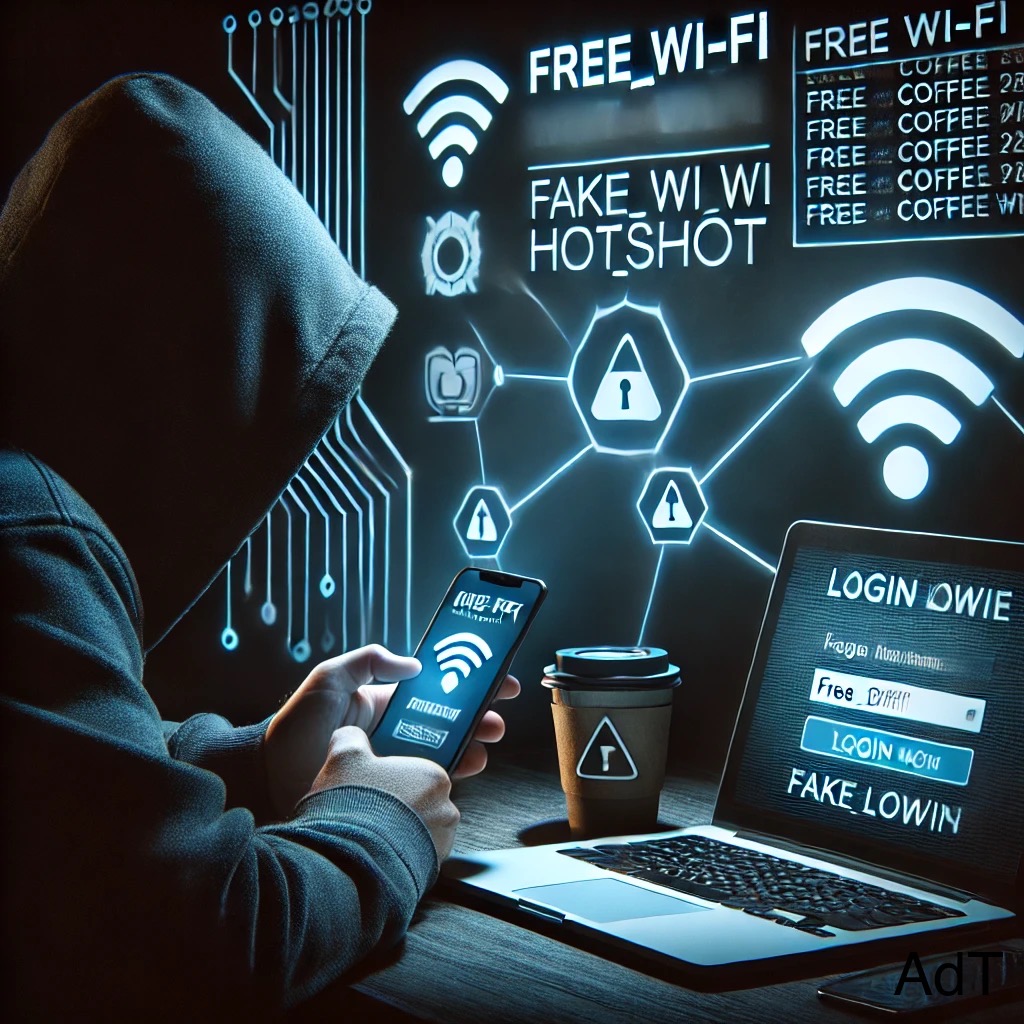
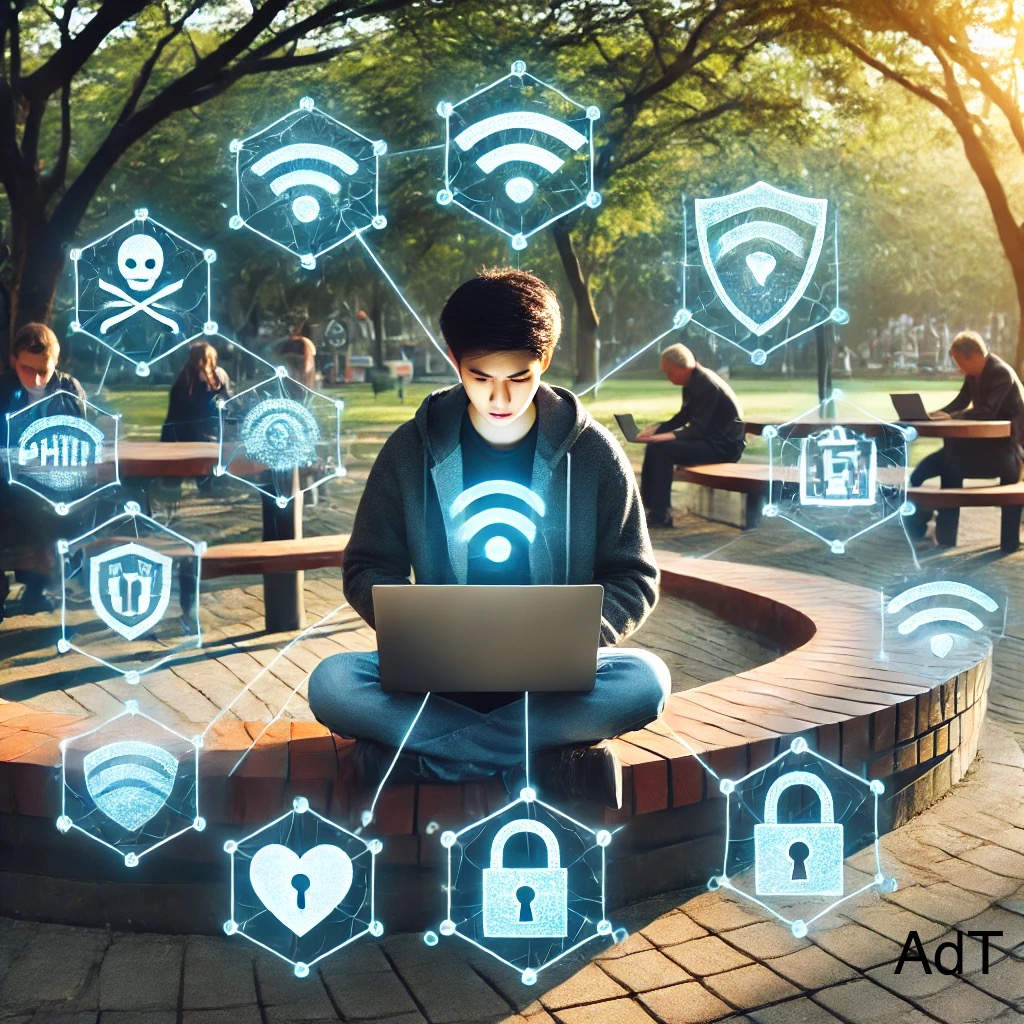
Creating free Wi-Fi to be used for Phising or accessing randomly connected devices:
This article is a beware note for AdiTech readers
Free Wi Fi Can Be a Trap. I know sometimes we all get in that state of mind where you wanna explore what you have access to. Maybe there is a free Wi Fi in the neighborhood. It is usually almost always on when you’re back from school or work in the evening.
Some days you’ll be having glitch on your phone or apps installing without notice
You’re being phished and Here’s How ita happening. The ones I’ve had to reconfigure , discover and tried out through the research set up at AdT.
Knowing how the world works and how public Wi Fi can almost be found everywhere. Talk about airports to coffee shops, business places. Cause we know how staying connected can feel.
Knowing the convenience comes with a hidden danger: WiFi networks set up to steal informations and data.
How It Happens
My research shows that hackers by creating free Wi Fi hotspot with a name that sounds familiar or trustworthy. I see why some networks are close to airports and some schools. One time I was in Ibadan, here in Nigeria, and I found CoffeeShop_Guest. I didn’t even know there were coffee shops in Nigeria.
Situation Like that, What happens when someone connects
Return Phishing Pages Pop Up:
Some appear with fake screen, asking for email, socials, or some kind of credentials. Users without experience of this, unsuspecting of the situation, enter their info, not knowing it’s being captured.
That’s when the Snooping Begins
If your device is set to auto connect, it can grant possible access to share files. Even info like passwords can be shared through such connections. It’s worse if this auto connection is active and connection is linked on the free Wi-Fi . As long as this situation are in place the.
Malware Drops
Injection of malware and spywares into your system silently and swiftly. The auto connection allows the phone to gracefully injections and commands. Most of which come in the form of files. Most of these connections support long term access to files on a device through the WiFi connection.
There are things people should know and my job here at AdiTech is to let it known
As for me and the few other developers who know better than to trust “Free Wi-Fi”. Sometimes we verify it. We still use our virtual private network to keep the connection safe and screened, i mean i do. Most times, I run it through the vpn. The network detects all recommended settings for any Wi-Fi connection coming to any of the devices i use. To anyone who’s trying to access me or any of the people linked to AdT, i pity you. The vpns gives boost to auto recommended settings that Turn on and off auto connect for Wi-Fi on anyone’s device. My research keeps coming back and back, advising to Use a VPN when connecting to any public network. Showing the encryption level it puts on the traffic coming to your device.
Update Data experience or should i say lack of update experience
After my phone shut down for a whole day, another thing drew my attention. Due to lack of update receipt on the software. Who tells me to update and review my system and apps of course. They all work together and with a little click click and updates from settings you would keep a lot out. On my phone it’s rare to find me without the latest apple iOS. Although my MacBook is 2017, running Ventura 13.4.1 now, which i just updated, knowing it’s impact.
Cybercriminals are getting smarter, but so can you. Free Wi Fi carries no harm, but in the wrong hands, it’s a phishing trap waiting to be triggered. Stay alert, protect your devices, and always double check before connecting to anything at all. Got any question for The editor? well lets get it.